The global automation landscape is undergoing a profound transformation in 2026, shifting from rigid pre‑programmed machinery toward intelligent, adaptive systems that blend artificial intelligence, robotics, and digital infrastructure. Driven by skilled‑labor shortages, volatile supply chains, and growing demand for operational flexibility, enterprises across manufacturing, logistics and process industries are prioritizing scalable automation solutions that deliver measurable return on investment rather than experimental proofs‑of‑concept. Below are the most impactful innovative automation technologies reshaping industrial operations this year.
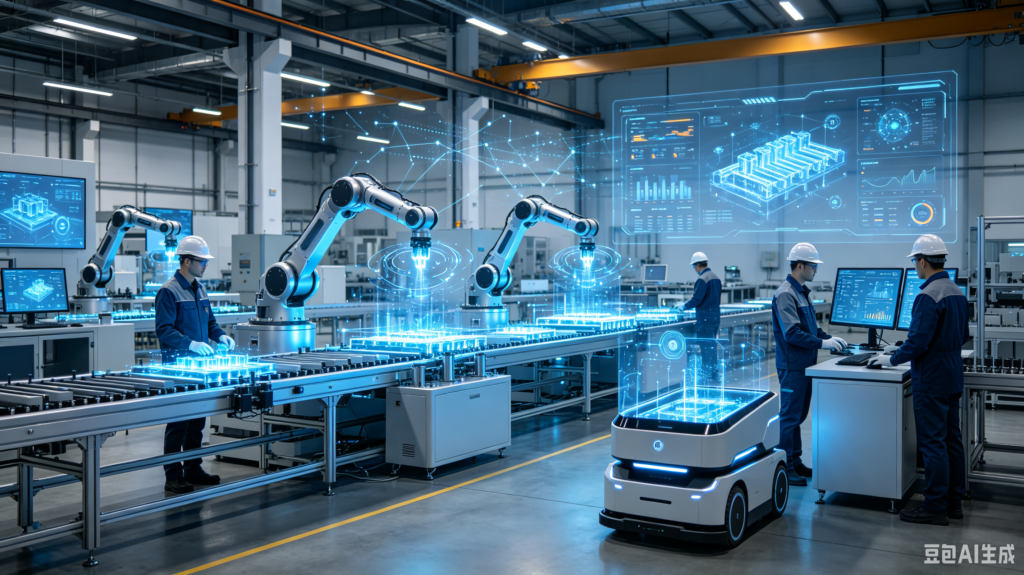
First, agentic AI and autonomous operations stand out as the core evolution of industrial automation. Unlike earlier AI tools focused purely on data analysis, agentic AI systems can interpret real‑time operational data, identify anomalies, generate solutions and execute limited corrective actions with human oversight. On factory floors, these intelligent agents diagnose unplanned downtime, adjust production parameters automatically, and generate work instructions through natural‑language interfaces. Operators no longer need deep coding knowledge to interact with automation platforms; simple text or voice prompts can trigger workflow adjustments, significantly lowering barriers for small‑and‑medium manufacturers. Agentic AI turns passive data dashboards into active decision‑making engines, closing gaps between data insight and practical action.
Second, AI‑enhanced collaborative and embodied robotics are redefining human‑machine cooperation. Traditional industrial robots require fixed safety barriers and extensive reprogramming for new tasks. 2026‑generation cobots equipped with advanced machine vision and tactile sensors safely work alongside human staff, adapting to variable parts and unstructured environments without heavy reconfiguration.Early‑stage humanoid robots for material handling and simple assembly move beyond laboratory demos toward limited real‑world deployment, especially in logistics and repetitive manufacturing workflows. Powered by vision‑language‑action models, modern robots learn new tasks through demonstration or natural‑language commands instead of thousands of lines of custom code, cutting deployment time from weeks to days.
Third, physics‑driven digital twins mature from visualization tools to mission‑critical automation enablers. Modern digital twins create high‑fidelity virtual replicas of machines, production lines or entire facilities, syncing continuously with live sensor data. Engineers simulate process changes, test equipment upgrades, and run predictive maintenance scenarios in virtual space before applying physical modifications, reducing costly downtime and commissioning errors. Combined with edge computing, digital twins feed simulation insights directly back to physical automation hardware, enabling closed‑loop optimization for quality control and energy efficiency. This integration bridges the virtual and physical world, a cornerstone of next‑generation smart factories.
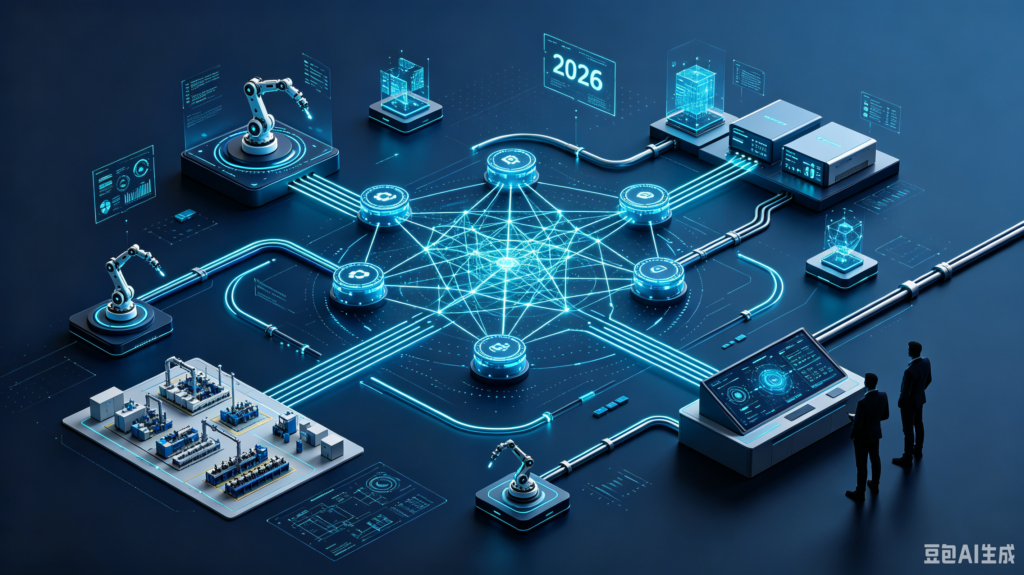
Fourth, edge‑native hyperautomation streamlines hybrid IT‑OT environments. Many businesses operate mixed landscapes of legacy on‑premise hardware, private cloud and public cloud resources. Hyperautomation unifies robotic process automation, computer vision and generative AI to orchestrate cross‑system workflows without full replacement of existing infrastructure. Local edge processing ensures low‑latency responses for time‑sensitive industrial tasks, while cloud platforms handle large‑scale data analytics and model updates. This hybrid architecture protects previous capital investment while unlocking modern automation capabilities, a major priority for established industrial enterprises.
Even with these powerful innovations, human expertise remains irreplaceable. Automation in 2026 is not about full workforce replacement; it offloads repetitive, high‑risk tasks so technicians and engineers focus on complex problem‑solving, process improvement and innovation. Businesses that succeed will balance technology adoption with upskilling their teams.
Looking ahead, these automation building blocks will continue converging. Organizations that evaluate technologies based on real operational pain points, rather than chasing every new innovation, will gain the most competitive advantage in an increasingly automated industrial future.