There are mainly the following smart water management system solutions:
- Data collection and monitoring solution
By installing various sensors, such as water level sensors, flow sensors, water quality sensors, etc., the key parameters in the water system are collected in real time. The collected data is transmitted to the central control system so that managers can understand the operating status of the water system at any time.
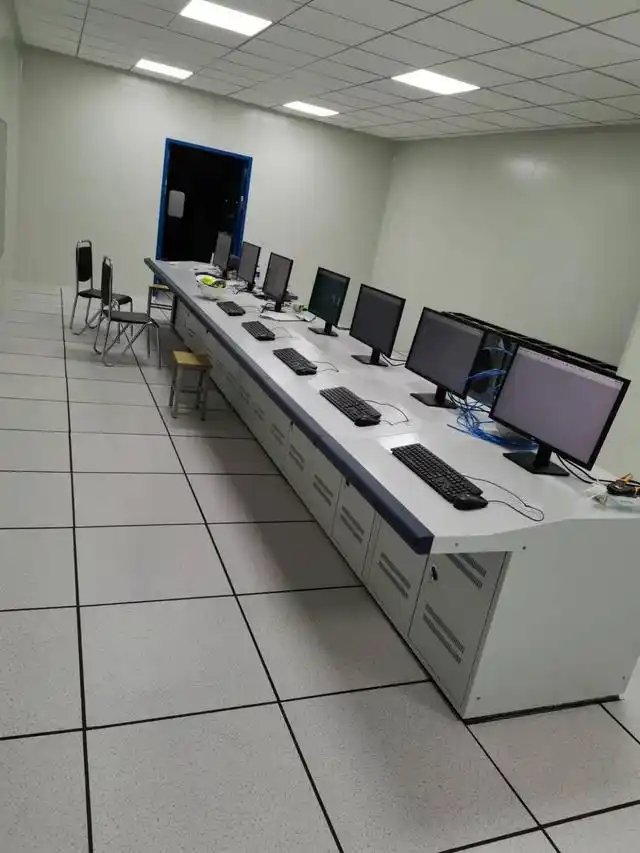
Advantages: It can provide accurate and real-time data and provide a reliable basis for decision-making. It can timely detect abnormal situations, such as too high or too low water level, deterioration of water quality, etc., so as to take corresponding measures.
Application scenarios: It is suitable for monitoring various links such as water sources, water plants, water supply networks, and drainage networks.
- Intelligent scheduling scheme
Use advanced algorithms and models to analyze and optimize water resources based on real-time and historical data. For example, according to water demand and water supply capacity, the production plan of the water plant and the pressure distribution of the water supply network are reasonably adjusted.
Advantages: Improve the utilization efficiency of water resources and reduce energy consumption. Reduce the waste of water resources and ensure the stability and reliability of water supply.
Application scenarios: In urban water supply systems, it can be dynamically adjusted according to the water demand of different regions to achieve intelligent water supply.
- Water quality management scheme
The water quality is comprehensively monitored by combining online water quality monitoring equipment and laboratory testing. Establish a water quality early warning system and take corresponding treatment measures immediately once abnormal water quality is found.
Advantages: Ensure water safety and improve the level of water quality management. Timely discover and deal with water quality problems to avoid harm to human health and the environment.
Application scenarios: Applicable to drinking water, industrial water, sewage treatment and other fields.
4. Leakage control plan
Adopt advanced leakage detection technologies, such as acoustic detection and flow monitoring, to timely discover leakage points in the water supply network. Quickly repair leakage points to reduce leakage rate.
Advantages: Reduce the waste of water resources and reduce water supply costs. Improve the operating efficiency of the water supply network and extend the service life of the network.
Application scenarios: Leakage control of urban water supply networks is one of the important contents of smart water management.
5. Customer service plan
Establish a customer service platform to provide users with convenient services through channels such as the Internet and mobile APP. For example, users can check water consumption, pay water bills, report faults, etc.
Advantages: Improve customer satisfaction and enhance the competitiveness of enterprises. Facilitate users to communicate and interact with water companies and solve users’ problems in a timely manner.
Application scenarios: Applicable to all types of water companies, providing users with a full range of services.