PLC (Programmable Logic Controller), also known as programmable logic controller, is a digital computing and operating electronic system designed specifically for use in industrial environments.
Ball valves may be fitted in either a vertical or horizontal pipe run since they are bidirectional, thus the direction of flow is not strictly necessary. However, it is generally recommended that the valve handle be oriented such that it opens in the direction of flow.
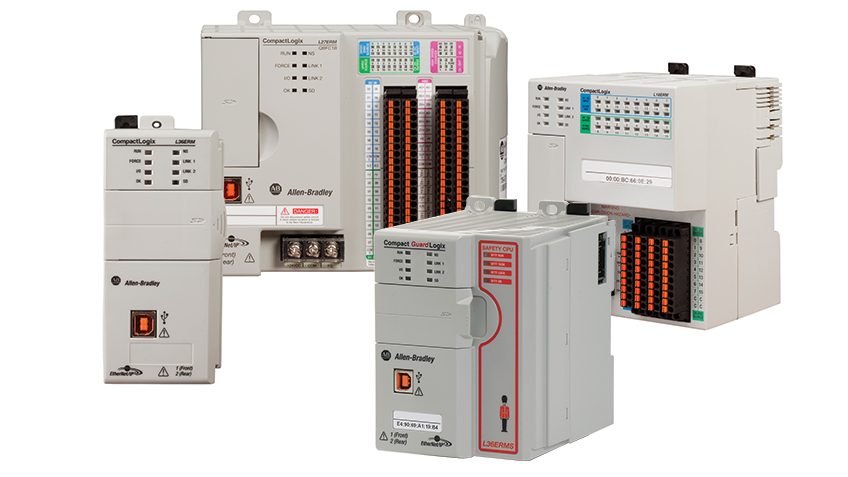
Basic composition
1. Central Processing Unit (CPU):
Like the human brain, it is the core component of the PLC. It is responsible for executing user programs, performing logical operations, processing data, and other tasks. Its performance determines the processing speed and control capabilities of the PLC.
For example, a high-performance CPU can quickly process complex control algorithms and achieve precise control of industrial production processes.
2. Memory:
It is divided into system memory and user memory. System memory is used to store the PLC’s operating system and system parameters, which cannot be modified by the user; user memory is used to store user-written programs and data.
For example, users can store written control programs in user memory, and PLC will read these programs to control industrial equipment during operation.
3. Input/output (I/O) module:
The input module is used to receive various signals from the industrial site, such as sensor signals, switch status, etc.; the output module is used to send control signals to the actuators at the industrial site, such as controlling the start/stop of the motor, the opening/closing of the valve, etc.
For example, when a photoelectric sensor detects an object, it sends a signal to the input module of the PLC. After processing, the PLC controls the motor to stop running through the output module.
4. Power module:
Provide stable power to PLC to ensure the normal operation of PLC. The performance of the power module directly affects the reliability and stability of PLC.
For example, in some industrial environments with high requirements for power quality, it is necessary to select a power module with functions such as voltage stabilization and filtering.
5. Communication module:
Used to realize the communication between PLC and other devices, such as data exchange and communication with host computer, touch screen, other PLC, etc. The type and performance of the communication module determine the communication capability and scalability of PLC.
For example, through the Ethernet communication module, PLC can be connected to the factory management system to achieve remote monitoring and management.
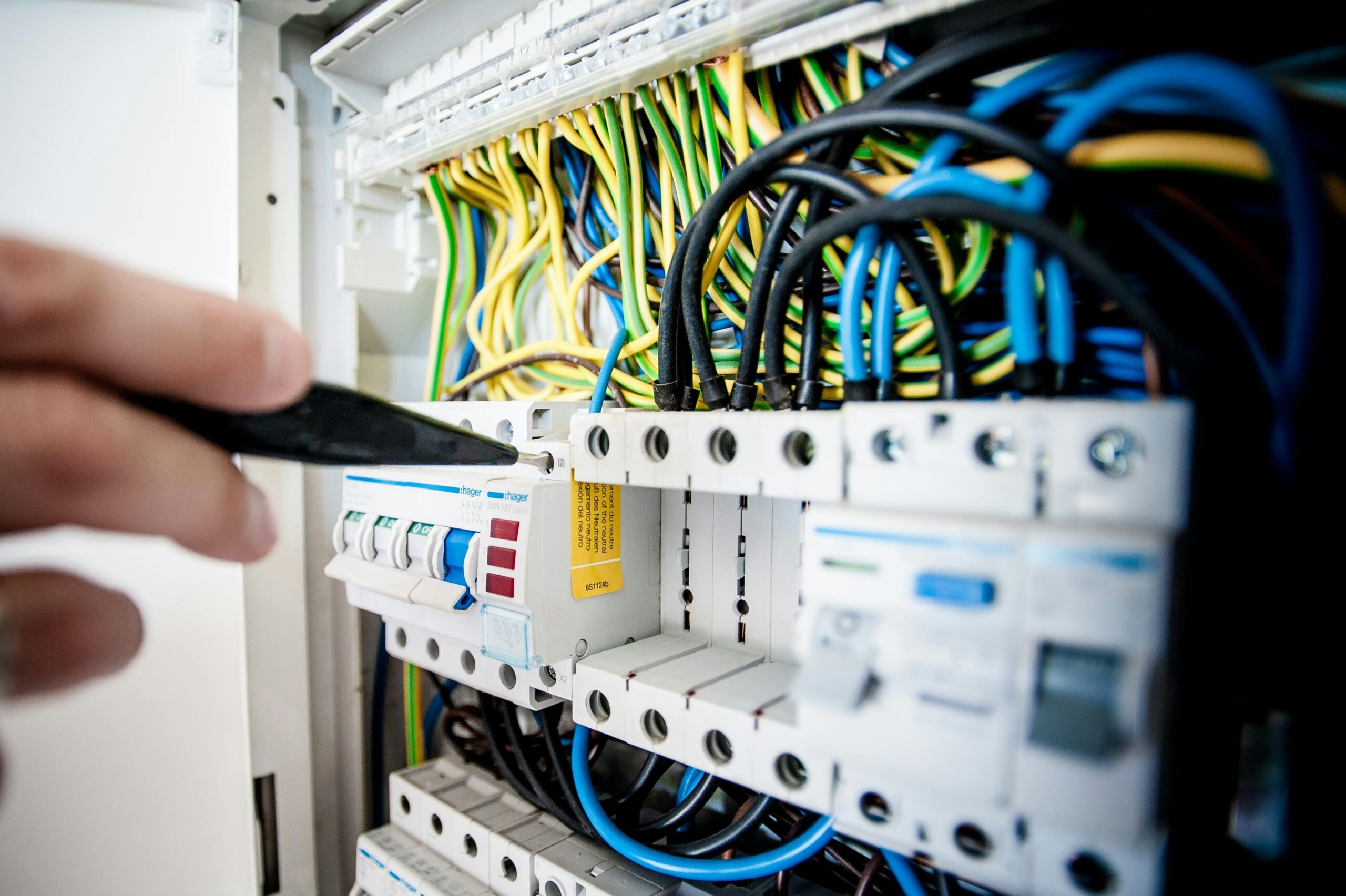
How it works
1. Input sampling stage:
The PLC reads all input states and data in sequence in a scanning manner and stores them in the input image register. This process is like taking a “photograph” of the signals at the industrial site, recording the status of all input signals.
For example, on an automated production line, there are multiple sensors that detect product position, temperature, pressure and other parameters. During the input sampling stage, the PLC reads and stores the signals of these sensors.
2. User program execution stage:
PLC performs logical operations, arithmetic operations and other processing on the data in the input image register according to the program written in advance by the user, and stores the results in the output image register. This process is the core function of PLC, which controls the industrial production process by executing the user program.
For example, if the user program stipulates that when the temperature exceeds a certain value, the fan is started to cool down, then at this stage, the PLC will decide whether to store the signal to start the fan in the output image register based on the input temperature signal and the logical judgment in the program.
3. Output refresh phase:
PLC transfers the content in the output image register to the output latch, which then drives the external load through the output terminal. This process is like “outputting” the processing results to the industrial site to control the action of the actuator.
For example, in the output refresh phase, if the output image register stores a signal to start the fan, the PLC will output this signal to the fan control circuit to start the fan.
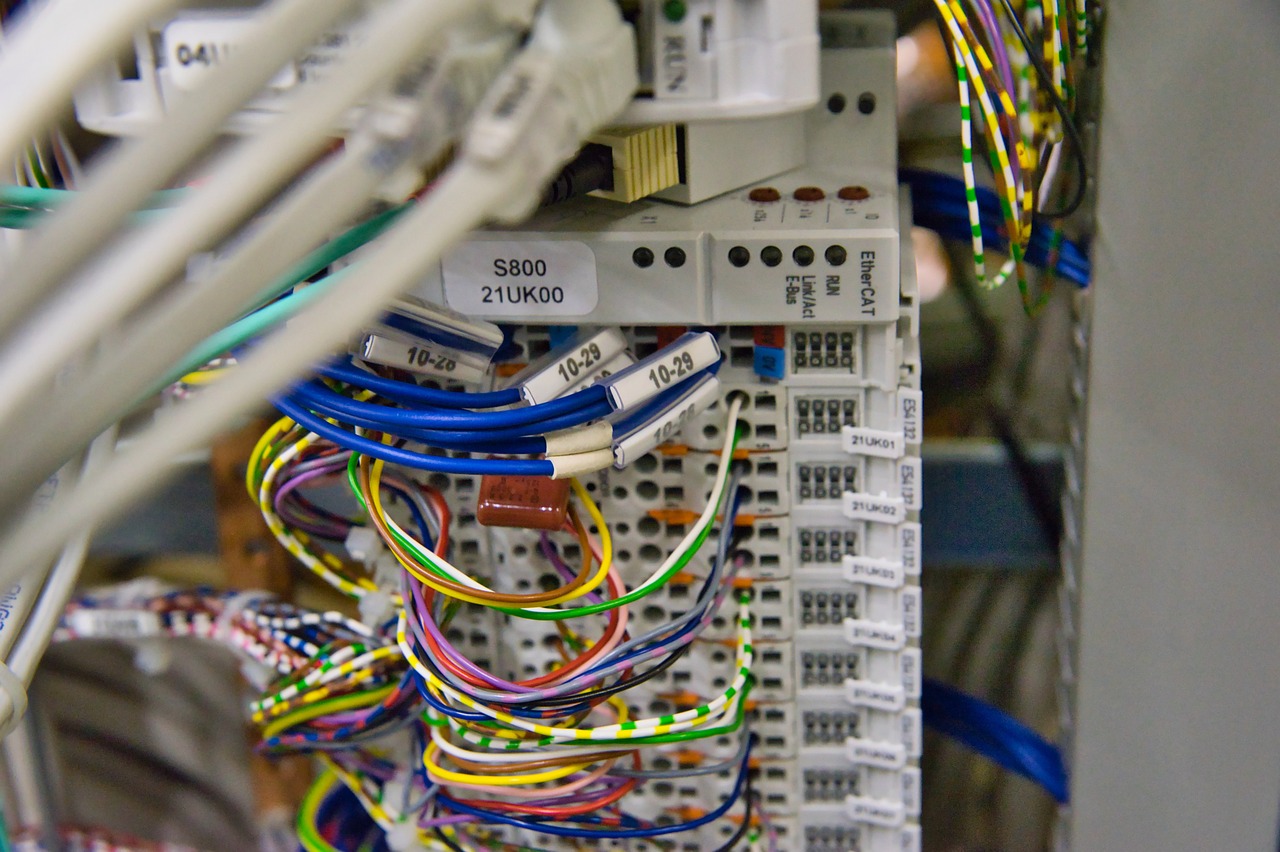
Key Features
1. Logic control:
This is the most basic function of PLC, which realizes switch control and sequence control of industrial equipment through logic operation. For example, on an automated production line, PLC can control the start/stop of motors and the opening/closing of valves to realize automated control of the production process.
For example, on an automobile assembly production line, PLC can control the equipment at each station to start and stop in a certain order according to the requirements of the production process, ensuring the efficiency and stability of the production process.
2. Timing control:
PLC can provide accurate timing functions to control the delayed start, timing cycle and other operations of the equipment. For example, in some equipment that requires timing operation, such as the timer switch of street lights and the heating time control of industrial furnaces, automatic control can be achieved through the timing function of PLC.
For example, in a sewage treatment system, the sewage needs to be stirred and dosed at regular intervals. PLC can accurately control the start time and running time of the stirring motor and dosing pump through the timing control function.
3. Counting control:
PLC can count input signals to realize statistics and control of the number of products and the number of equipment operations in the production process. For example, in a packaging production line, the counting function of PLC can be used to count the packaged products. When a certain number is reached, the conveyor belt is controlled to stop running and the next process is carried out.
For example, in an elevator control system, PLC can count the number of elevator operations for maintenance and maintenance.
4. Data processing:
PLC can collect, process and store input data to monitor and analyze data in the production process. For example, in a temperature control system, PLC can collect signals from temperature sensors, process data, and control the output power of the heater to keep the temperature within the set range.
For example, in an automated warehouse management system, PLC can process and store data such as the number of goods entering and leaving the warehouse, inventory status, etc., to provide data support for warehouse management.
5. Communication and networking:
PLC can communicate and network with other devices through communication modules to achieve distributed control and centralized management. For example, in a large factory, multiple PLCs can be connected through the network to achieve centralized monitoring and management of the entire production process.
For example, in an intelligent manufacturing system, PLC can communicate with host computers, touch screens, industrial robots and other equipment to achieve intelligent production and management.
Famous Brand for PLC:
Allen-Bradley
ABB
Siemens
Schneider
Ormon
Mitsubishi
Other Brand